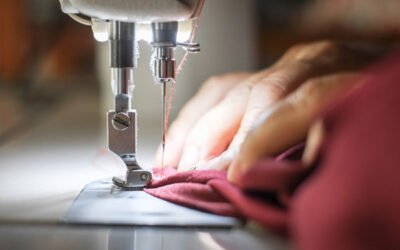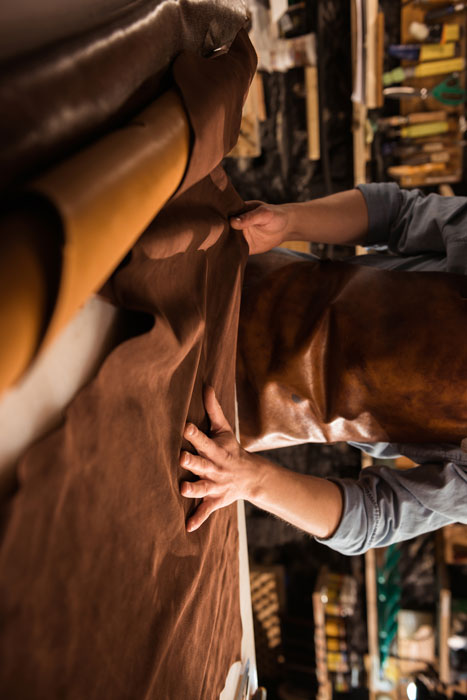
For any clothing brand, the journey from design concept to finished garment begins with a crucial first step: fabric selection. This decision lays the groundwork for a successful piece, ensuring both visual appeal and functionality. This guide delves into the world of fabric selection and cutting techniques, empowering clothing brands to make informed choices throughout the garment manufacturing process.
Selecting the Perfect Fabric: The Foundation of Garment Success
Understanding the properties of various fabrics and how they translate into the final garment is key. Here are some fundamental considerations for brands:
- Material Composition: Natural fibers like cotton and wool offer breathability and comfort, while synthetics like polyester and nylon provide durability and wrinkle resistance. Blends combine properties of both. Understanding fiber content (e.g., cotton fabric, polyester blend) allows for informed decisions about fabric behavior and care requirements.
- Fabric Weight and Drape: The weight of the fabric significantly impacts the overall structure and silhouette of the garment. Heavier fabrics like wool are ideal for winter coats, while lighter chiffons lend themselves well to flowing dresses. Additionally, drape refers to the way the fabric falls and should be considered when aiming for a specific look or movement (e.g., flowy drape for dresses, structured drape for blazers).
- Quality and Colorfastness: Inspecting fabric for color consistency, potential shrinkage, and any visible flaws is essential. Choosing high-quality materials not only enhances the aesthetic appeal of the garment but also ensures its longevity and ease of maintenance.

Mastering the Art of Fabric Cutting: Precision for Flawless Assembly
Once the perfect fabric is sourced, meticulous cutting transforms it into the building blocks of the garment. Here’s a breakdown of essential cutting techniques:
- Strategic Pattern Layout: Patterns serve as a roadmap for cutting, and their strategic placement on the fabric minimizes waste while ensuring all pieces align seamlessly during assembly. Factors like grainlines, fabric nap (if applicable), and pattern matching for prints are all crucial considerations for optimal layout.
- Sharp Cutting Techniques: Employing sharp fabric shears or rotary cutters allows for clean and accurate cuts along the designated pattern lines. Meticulous attention to detail is paramount, especially for intricate designs featuring curves, notches, and other markings that facilitate proper assembly.
- Clear Marking for Assembly Efficiency: Marking key reference points such as notches, grainlines, dart locations, and seam allowances on fabric pieces streamlines the sewing process and minimizes the risk of errors during garment construction. Clear labeling of fabric parts further enhances assembly efficiency (e.g., marking front bodice piece).
Addressing Cutting Challenges: Tailoring Techniques for Different Fabrics
Just as sewing techniques are tailored to specific fabric types, cutting methods also require adjustments to suit different materials:
- Woven Fabrics: Straight cuts with sharp scissors or rotary cutters achieve crisp edges in woven fabrics (e.g., cotton shirting, linen suiting). Tailor’s chalk or washable markers provide clear and precise cutting lines.
- Stretch Fabrics: Cutting stretch fabrics requires attention to grainline and stretch direction to maintain the garment’s intended shape and fit (e.g., jersey knit for t-shirts, ponte knit for leggings). Utilizing rotary cutters or serrated scissors helps prevent excessive stretching of the material.
- Delicate Fabrics: Layering delicate fabrics (e.g., silk chiffon, lace) between tissue paper or employing fabric stabilizers during cutting helps preserve their integrity and prevent fraying.
- Pile Fabrics: Fabrics with nap or pile, such as velvet and corduroy, necessitate specialized cutting techniques to ensure uniform pile direction and minimize fabric distortion (e.g., cutting velvet with the nap running downwards).
The Value of Expertise in Fabric Selection and Cutting
Partnering with a garment manufacturer who possesses a deep understanding of fabric selection and cutting techniques can significantly benefit your clothing line. Experienced manufacturers often utilize advanced technologies such as computer-aided pattern making (CAM) and laser cutting for precision and minimal waste. This expertise ensures consistent quality, reduces production time, and ultimately translates into cost savings for your brand.
Conclusion: Building a Strong Foundation for Garment Excellence
Fabric selection and cutting form the cornerstone of successful garment manufacturing. By understanding fabric properties and mastering cutting techniques, clothing brands gain the ability to translate their design vision into well-crafted and functional pieces. This empowers them to create high-quality garments that meet their brand’s specific needs and exceed customer expectations.
Ready to Elevate Your Clothing Line?
Consider partnering with a garment manufacturer who prioritizes fabric expertise and cutting-edge techniques. This ensures a strong foundation for your garments, allowing you to focus on what matters most: bringing your unique design vision to life.
Recent Posts
-
 Why You Should or Shouldn’t Start a Gym Clothing Brand: The Pros and Cons Explained
 -
 Clothing Manufacturing 2025: Trends, Tech, and Tips for Success
 -
 Samples: The Secret Weapon Successful Clothing Brands
 -
 Comprehensive Guide to Apparel Measurements and Technical Pack Terminology
 -
 The Ultimate Guide to Clothing Manufacturing Terms for Fashion Entrepreneurs